A Patient’s Guide to Bleeding
Published by Dr. Kasturi Mandal | Last updated: September 2025
What Is Bleeding?
Bleeding (hemorrhage) happens when blood escapes from blood vessels due to injury, disease, or a clotting problem. It can be external (visible) or internal (hidden inside the body), and range from mild to life-threatening.
When is Bleeding Serious?
Seek medical help immediately if bleeding is profuse and doesn’t stop after 10 minutes of direct pressure, if blood is spurting, or if it is accompanied by symptoms like weakness, dizziness, or confusion. Special care is needed for those with known bleeding disorders or who take blood-thinning medications.
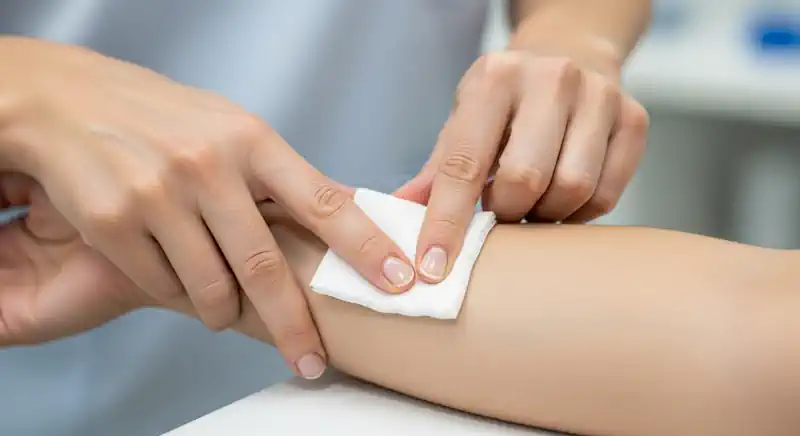
First Aid for External Bleeding
Based on guidelines from the Red Cross and NICE, follow these steps:
- Apply Firm Direct Pressure: Use a clean cloth or sterile dressing and hold pressure continuously for at least 10 minutes.
- Elevate the Limb: If possible, raise the injured limb above the level of the heart to help reduce blood flow.
- Add More Dressings: Do not remove a soaked dressing. Instead, layer a new one on top and continue applying pressure.
- Monitor for Shock: Keep the person warm and reassured while you wait for medical help if needed.
First Aid for Nosebleeds (Epistaxis)
To manage a common nosebleed:
- Sit up and lean **forward**, not back.
- Pinch the soft part of your nose firmly for 10–15 minutes.
- Apply a cold compress to the bridge of the nose.
Seek help if the bleeding continues for more than 20 minutes.
Internal Bleeding & Special Considerations
Internal bleeding is not visible and must be suspected after trauma or in patients with certain medical conditions. Signs include unexplained bruising, abdominal pain, dizziness, or blood in the urine or stool. People with inherited bleeding disorders (e.g., Hemophilia) or those on anticoagulant medications have a higher risk of serious bleeding and should seek care early for any injuries.

Prevention Tips
Evidence-based strategies to prevent injuries and bleeding include using safety gear during activities, keeping sharp objects secured, maintaining good oral hygiene to prevent gum bleeding, and managing health conditions like high blood pressure.