A Patient’s Guide to Lymphoma
Published by Dr. Kasturi Mandal | Last updated: August 2025
What Is Lymphoma?
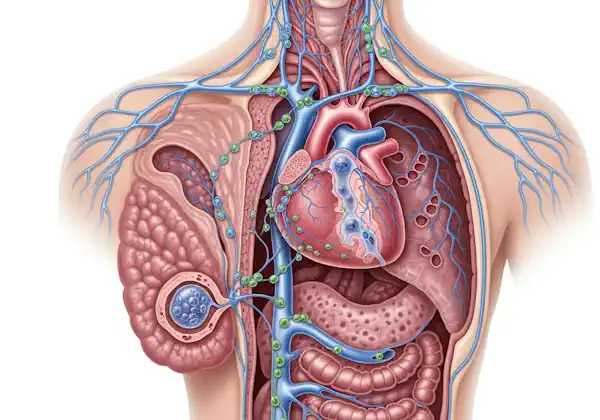
Lymphoma is a type of blood cancer that begins in the lymphatic system—part of your immune system that helps fight infections and disease. It occurs when lymphocytes (a type of white blood cell) grow and multiply abnormally, forming tumors in the lymph nodes or other organs.
Types of Lymphoma
Lymphoma is broadly divided into two main types:
1. Hodgkin Lymphoma (HL)
Characterized by the presence of a specific abnormal cell called the Reed-Sternberg cell. Its progression is often predictable, making it one of the more treatable forms of cancer.
2. Non-Hodgkin Lymphoma (NHL)
This is the more common category, accounting for about 90% of all lymphomas. It has many different subtypes, which can be either slow-growing (indolent) or fast-growing (aggressive). Examples include Diffuse Large B-cell Lymphoma (DLBCL) and Follicular Lymphoma.
Common Signs & Symptoms
While symptoms can vary, some of the most common signs include:
- Painless swelling of lymph nodes in the neck, armpits, or groin.
- Persistent fatigue.
- Fever and chills.
- Night sweats (often drenching).
- Unexplained weight loss.
The last three symptoms are often referred to as "B symptoms" and can indicate a more advanced stage of the disease.
Diagnosis & Treatment Options
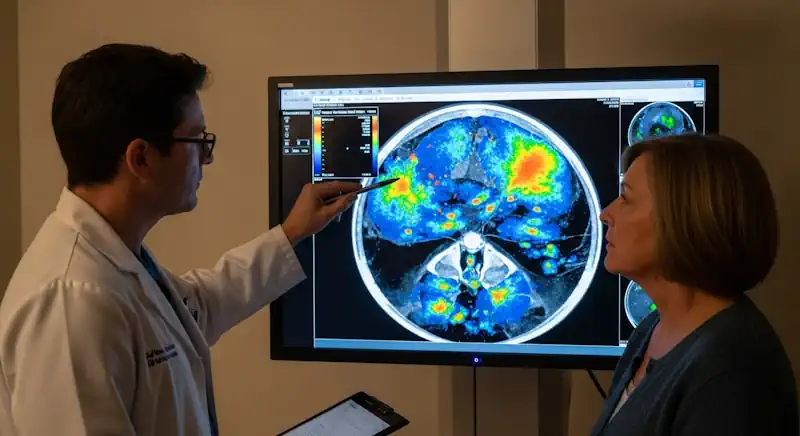
An accurate diagnosis is essential and always begins with a **lymph node biopsy**. This tissue sample is crucial for identifying the exact type and subtype of lymphoma. This is often combined with imaging tests like CT or PET scans to determine the stage (extent) of the disease.
Treatment is highly personalized based on the lymphoma type, stage, and the patient's overall health. The goal may be a cure or long-term control.
Common Treatment Approaches
| Treatment | Description |
|---|---|
| Chemotherapy | The mainstay for many lymphomas, using drugs to destroy cancer cells. |
| Immunotherapy | Uses monoclonal antibodies (e.g., rituximab) to help the patient's immune system target cancer cells. |
| Targeted Therapy | Drugs that target specific genetic weaknesses in the lymphoma cells. |
| Radiation Therapy | Uses high-energy rays to target and destroy cancer in specific areas. |
| Stem Cell Transplant | Used for relapsed or very aggressive lymphomas to allow for higher doses of chemotherapy. |
| CAR-T Cell Therapy | An advanced immunotherapy that engineers a patient's own T-cells to fight their lymphoma. |
Living with Lymphoma: Questions for Your Doctor
Managing a lymphoma diagnosis involves a partnership with your healthcare team. It's important to stay informed and proactive. Consider asking:
- What is my exact type, subtype, and stage of lymphoma?
- What is the primary goal of my treatment—cure or long-term control?
- What are the most common side effects of my proposed treatment?
- Are there any clinical trials that I may be eligible for?